
 0086-13338774804


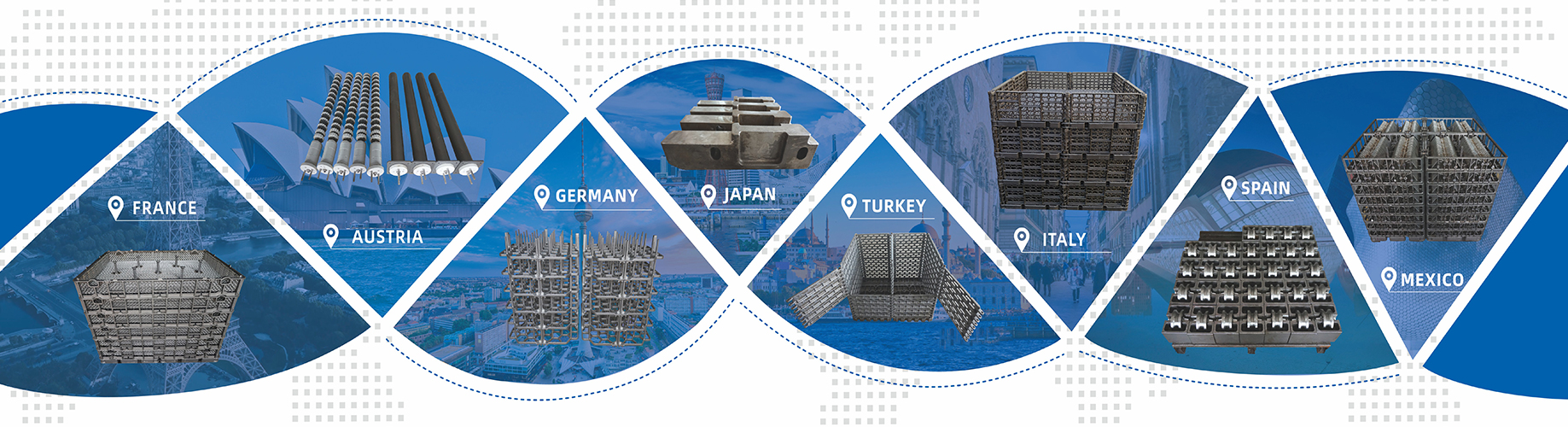
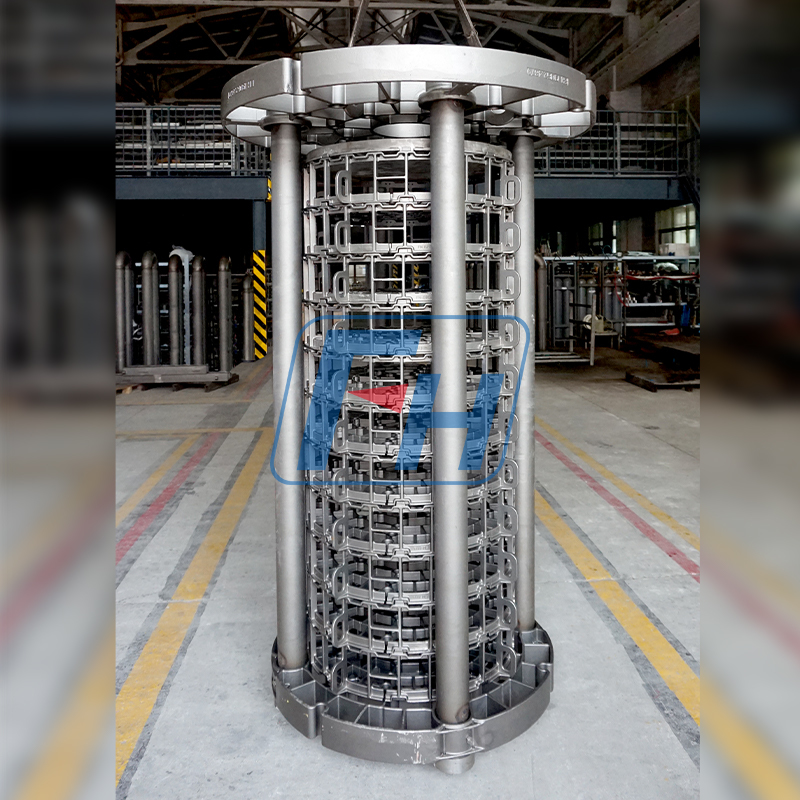
من خلال تعزيز الدقة والمتانة في البيئات الصناعية الأكثر تطلبًا، تم تصميم تركيبات المعالجة الحرارية FH لتتفوق عبر مجموعة واسعة من الأفران - بما في ذلك أفران الغرفة، والدافع، والفراغ، والحفرة، والجرس ، مثل Ipsen وAichelin وECM وKGO وNITRIX وAFC وIVA-SCHEMTZ وCODERE وMATTASA وإلخ.
يتم إنتاج تجهيزات الصب FH بدقة باستخدام تكنولوجيا صب الشمع المفقود المتقدمة ، مما يضمن جودة السطح والتسطيح الاستثنائي. تم تصميم السبائك المقاومة للحرارة الخاصة بنا خصيصًا لتحمل درجات الحرارة القصوى والتدوير الحراري السريع والبيئات المسببة للتآكل،
في FH، مهمتنا هي إحداث ثورة في كفاءة المعالجة الحرارية. نحن نجمع بين الخبرة المعدنية المتطورة وعقود من الخبرة الصناعية لتقديم مجموعة كاملة من تركيبات الشحن التي:
لماذا تختار تركيبات المعالجة الحرارية FH؟
السلال القياسية الرائدة في الصناعة
استفد من 20 عامًا من البحث والتطوير من خلال تركيباتنا الموثوقة عالميًا. تم تصميمها مسبقًا للتوافق مع جميع نماذج الأفران الرئيسية، فهي تعمل على تقليل تكاليف الأدوات وتسريع النشر - وهي مثالية لعمليات الاستبدال السريعة أو العمليات القابلة للتطوير.
حلول مصممة خصيصًا ومصممة وفقًا لمواصفاتك
يتعاون مهندسونا معك لتصميم تركيبات مخصصة بالكامل، وتحسين ما يلي:
قم بترقية المعالجة الحرارية لديك اليوم
سواء كنت تستبدل التركيبات البالية أو تصمم تركيبات جديدة، فإن FH تقوم بالتوصيل فترات زمنية أسرع، وتعدين فائق، وتوفير في التكلفة لكل دورة التي تتفوق على المنافسين.
اتصل بفريقنا الهندسي للحصول على استشارة مجانية - دعنا نصمم الحل الأمثل للمعالجة الحرارية.

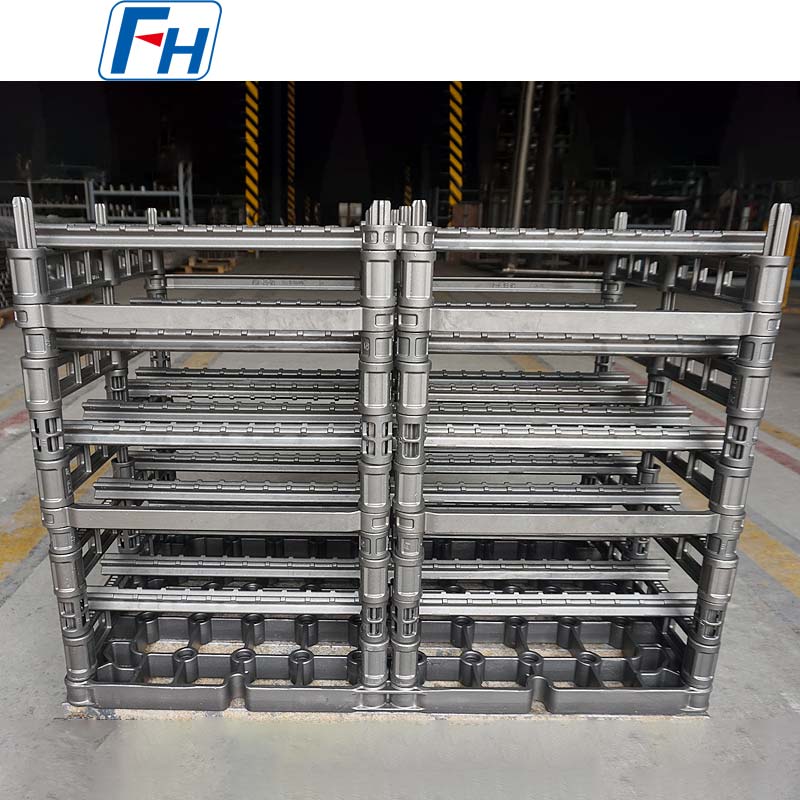
العلامة التجارية: إف إتش® شهادة: ISO9001، ISO14001 ال...
عرض التفاصيل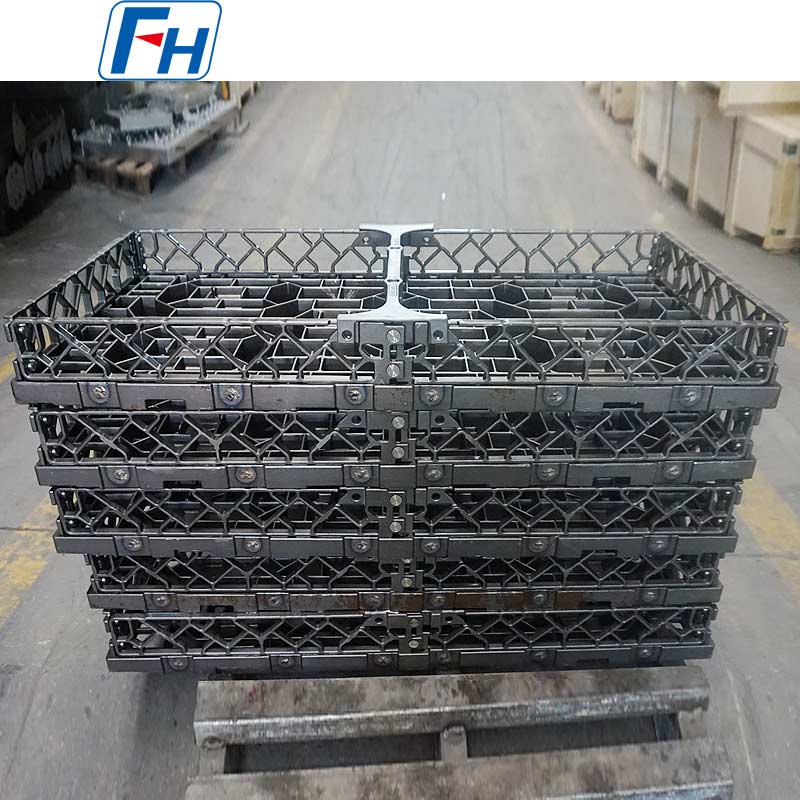
العلامة التجارية: إف إتش® شهادة: ISO9001، ISO14001 ال...
عرض التفاصيل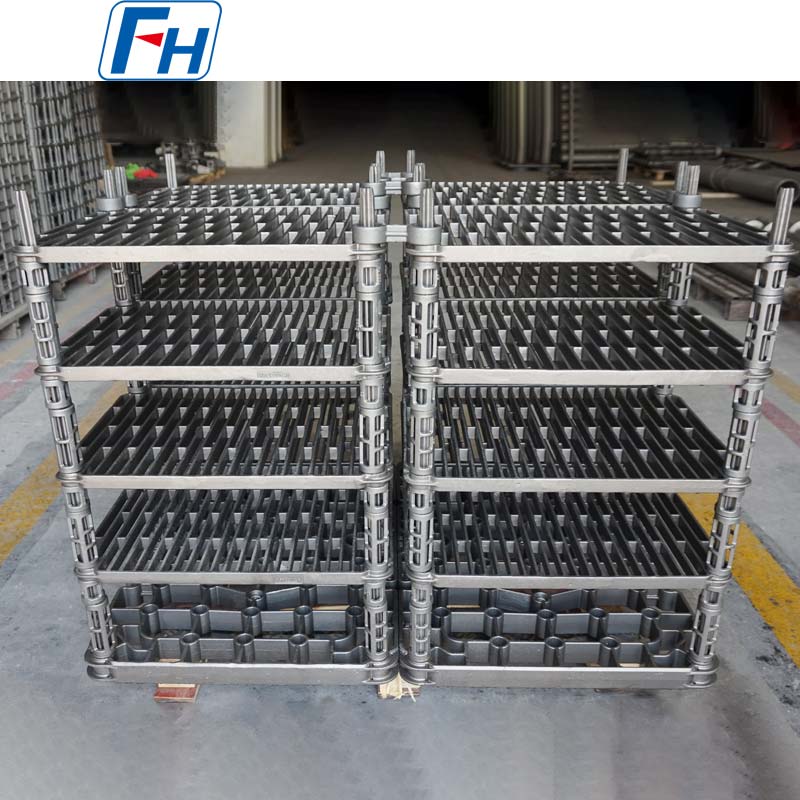
العلامة التجارية: إف إتش® شهادة: ISO9001، ISO14001 الماد...
عرض التفاصيل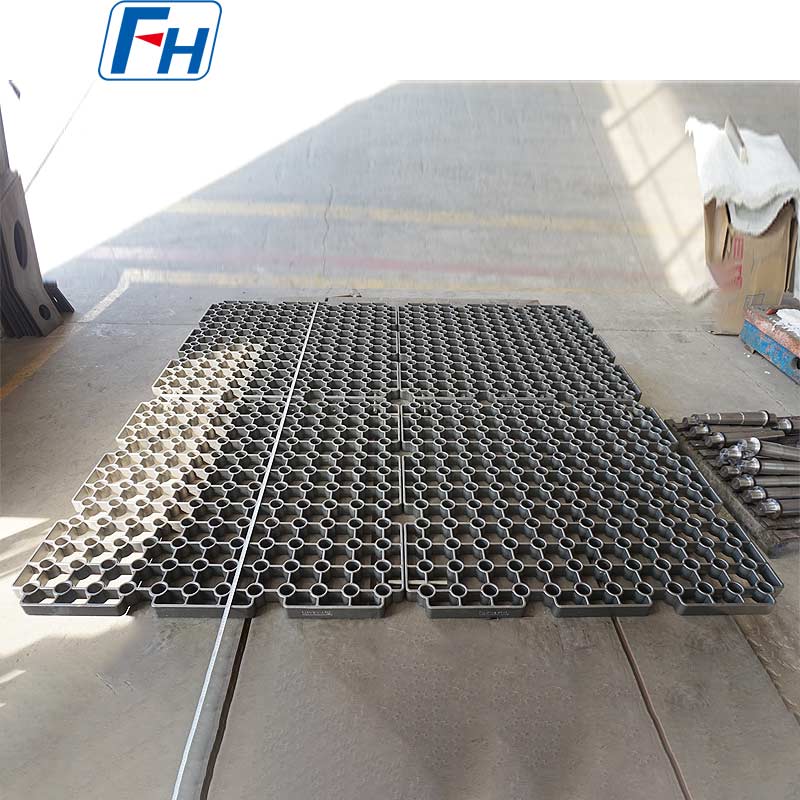
العلامة التجارية: إف إتش® شهادة: ISO9001، ISO14001 ...
عرض التفاصيل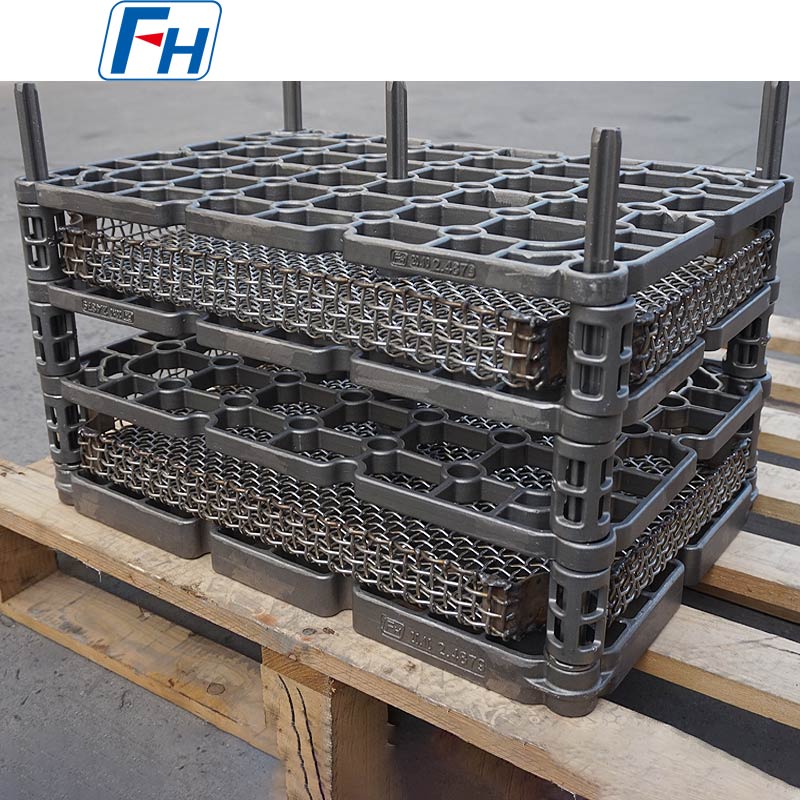
العلامة التجارية: إف إتش® شهادة: ISO9001، ISO14001 ال...
عرض التفاصيل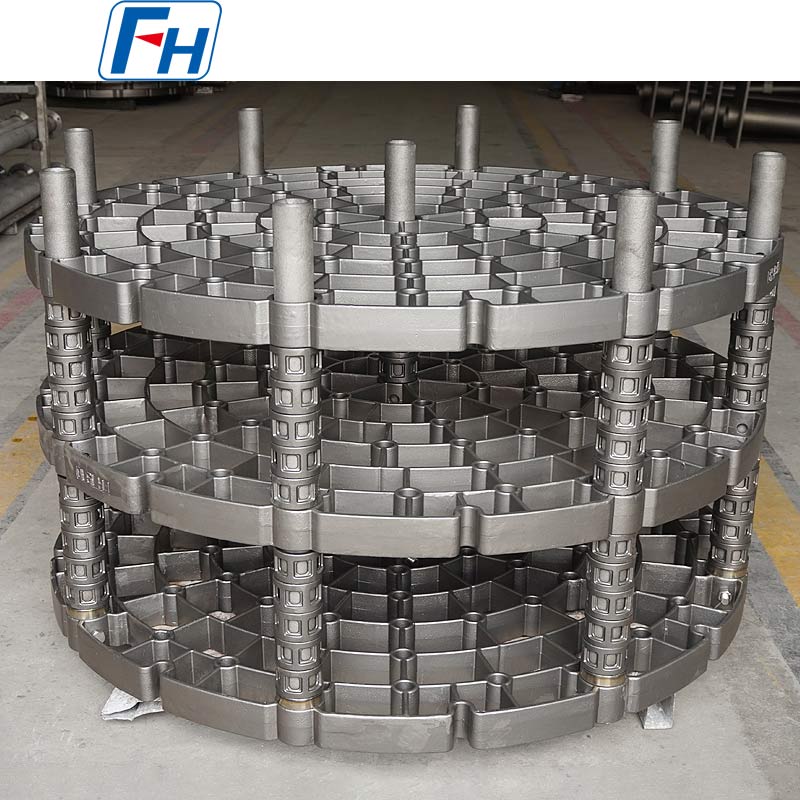
العلامة التجارية: إف إتش® شهادة: ISO9001، ISO14001 ال...
عرض التفاصيل
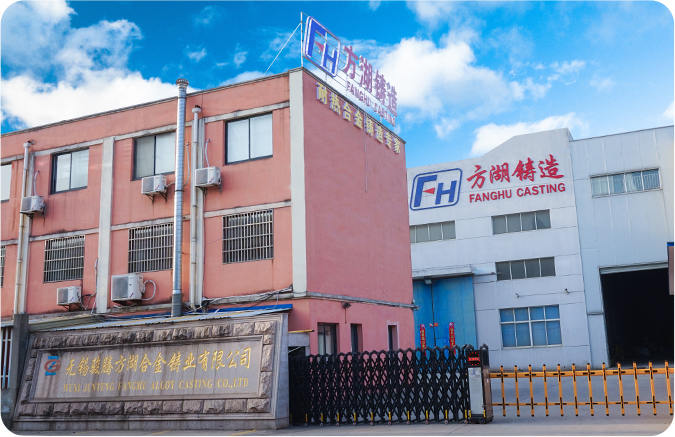
سنة التأسيس
دول التصدير
الطاقة الإنتاجية الشهرية
الموظفون
سلال معالجة حرارية مصبوبة مخصصة مع صواني شبكية وشبكات سلكية لعميل إيطالي دراسة حالة العملاء | شركة Wuxi Junteng Fanghu Alloy Technology Co., Ltd. (سبائك FH®) ...
اقرأ المزيدنظام تركيب صينية مخصص للمعالجة الحرارية لمعدات الفرن الدافعة المستمرة دراسة حالة العملاء | التصميم الهندسي، الموافقة على الرسم، التصنيع والتسليم المنتج: ...
اقرأ المزيدصواني المعالجة الحرارية للفرن الفراغي 2.4879 المخصصة للعميل السلوفيني دراسة حالة العملاء | إعادة التصميم الهيكلي والتصنيع والتسليم موقع العميل: سلوفي...
اقرأ المزيددراسة حالة العملاء | التصميم الهندسي والتصنيع والفحص والتسليم موقع العميل: فرنسا المنتج: سلة المعالجة الحرارية المخصصة المادة: ...
اقرأ المزيدHow to determine if an Other Heat-resistant Steel Part possesses high-temperature resistance?
1. High-Temperature Hardness and Strength Testing: Measure hardness using a Vickers or Shore hardness tester at operating temperatures such as 600°C and 800°C. Hardness remaining within the design range indicates sufficient strength at high temperatures.
Simultaneously perform high-temperature tensile or yield strength tests and record the stress-strain curve to ensure good elongation at the target temperature.
2. Magnetic Particle Examination: Magnetic particle examination of martensitic or ferritic alloys can quickly detect internal cracks, incomplete penetration, or heat treatment defects, which are often precursors to high-temperature failure.
3. Liquid Penetrant Examination: Coating the surface with a penetrant and developing it allows for the detection of minute surface cracks or pores, particularly suitable for complex geometries such as heat-treated fixtures and radiant tubes.
4. Ultrasonic or Phased Array Inspection: Ultrasonic testing assesses internal defects, interlayer debonding, or weld quality using time-of-flight or echo attenuation. Suitable for large components such as thick furnace rollers and furnace rails.
How to prevent cracking or deformation in Other Heat-resistant Steel Parts during high-temperature processing?
1. Reasonable Preheating and Uniform Heating: Use segmented preheating to reduce the temperature gradient and prevent surface cracking due to thermal shock.
2. Controlled Cooling Rate and Stress Relief: Use slow cooling or segmented air cooling to keep residual stress below 0.2%; if necessary, perform low-temperature tempering to relieve stress.
3. Welding Process Optimization: Use low-heat-input TIG/EB welding, followed by post-weld heat treatment to reduce hardening in the weld zone and prevent brittle cracking caused by hardening.
4. Surface Protection and Oxide Layer Management: Pre-oxidize the workpiece before high-temperature treatment or apply a high-temperature resistant ceramic coating to maintain a dense oxide film and prevent liquid metal penetration that could cause cracks.
5. Geometric Design and Stress Concentration Control: Avoid sharp corners and abrupt cross-sectional changes. Use rounded corners or transition sections to reduce local stress concentration and significantly decrease the probability of crack initiation.
منذ عام 2006، التركيز على تصميم وتصنيع قطع الفولاذ السبائكي
 هاتف: 0510-83310100
  البريد الإلكتروني: info@alloy-casting.com
  العنوان: Room 1105,Building 6, Jiaye Wealth Center,Wuxi, Jiangsu, P.R.China P.C.:214000.
  الخصوصية