

 0086-13338774804

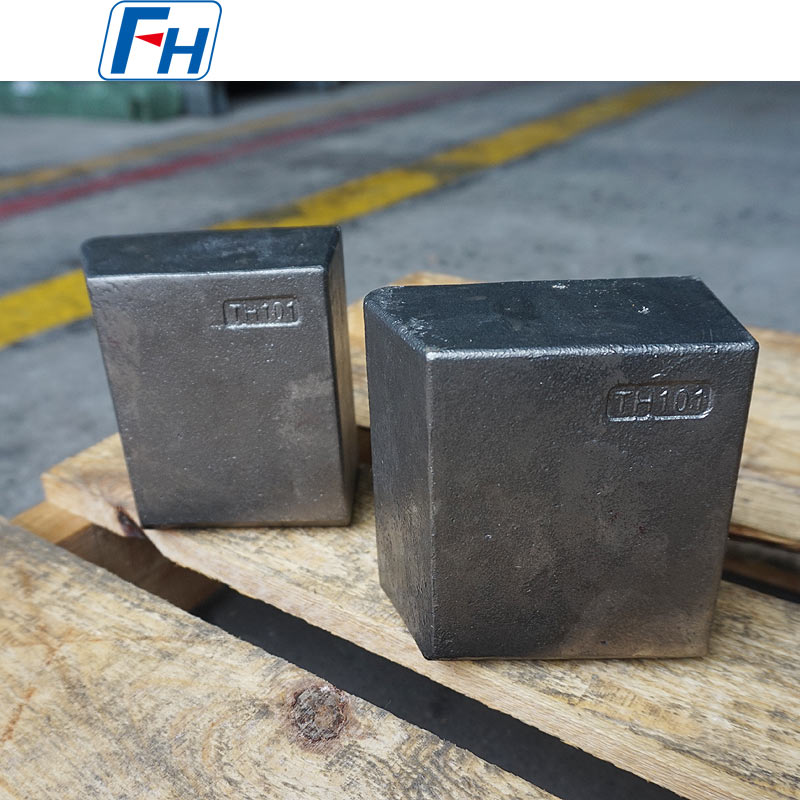
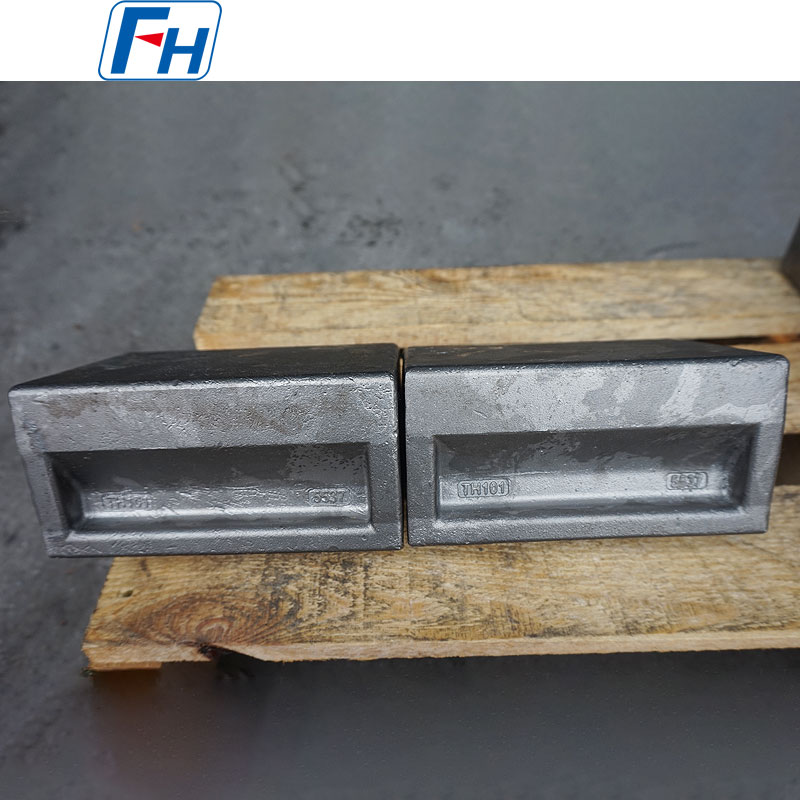
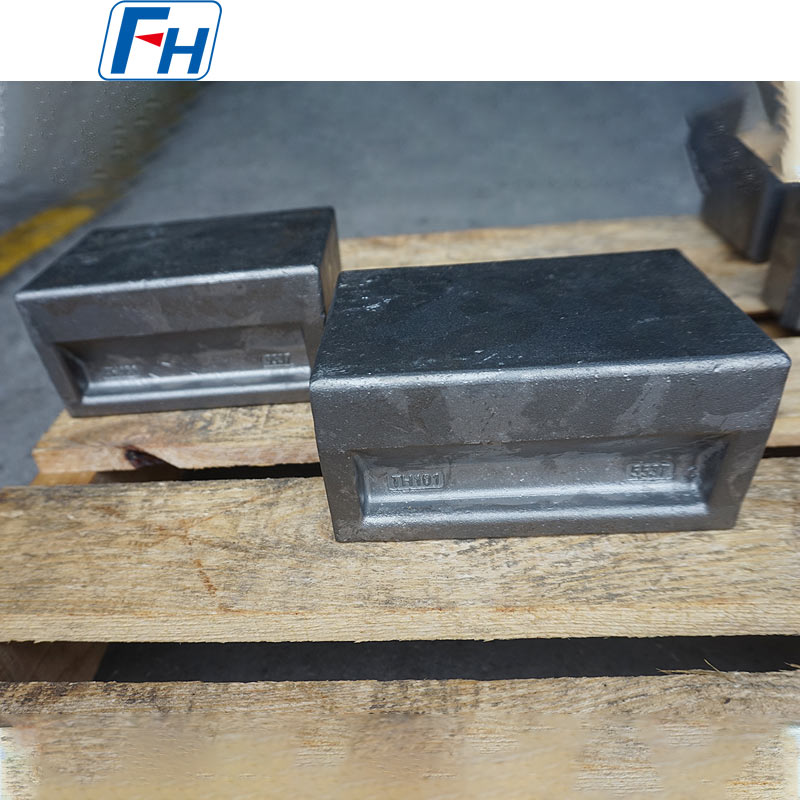
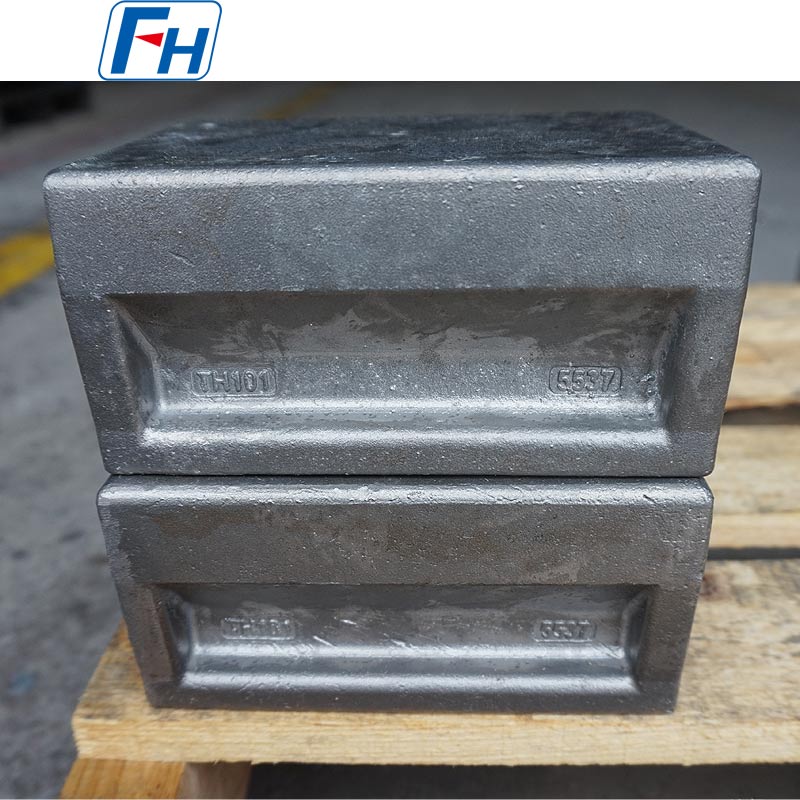
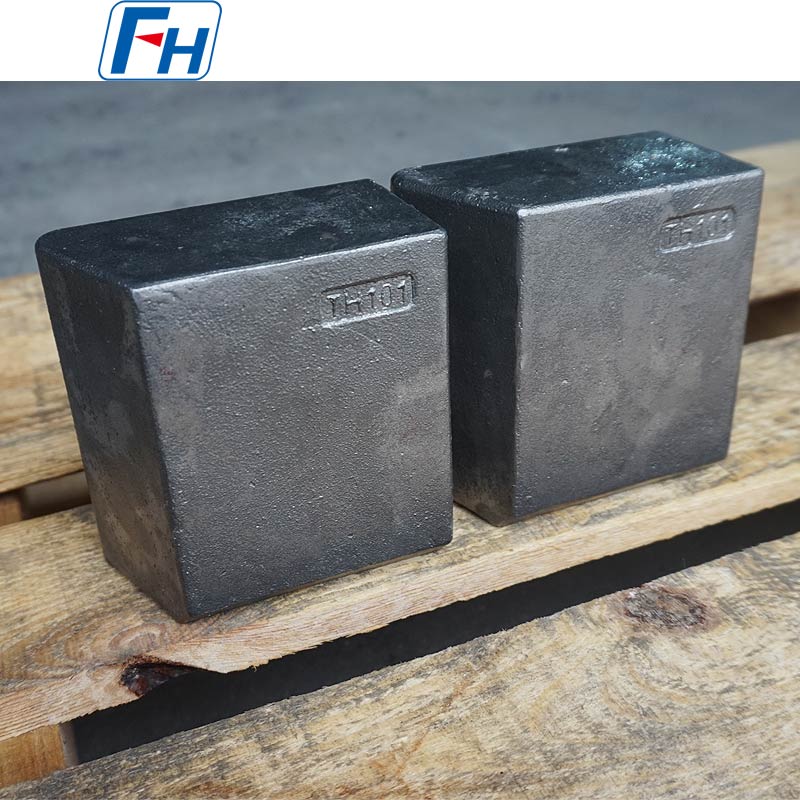
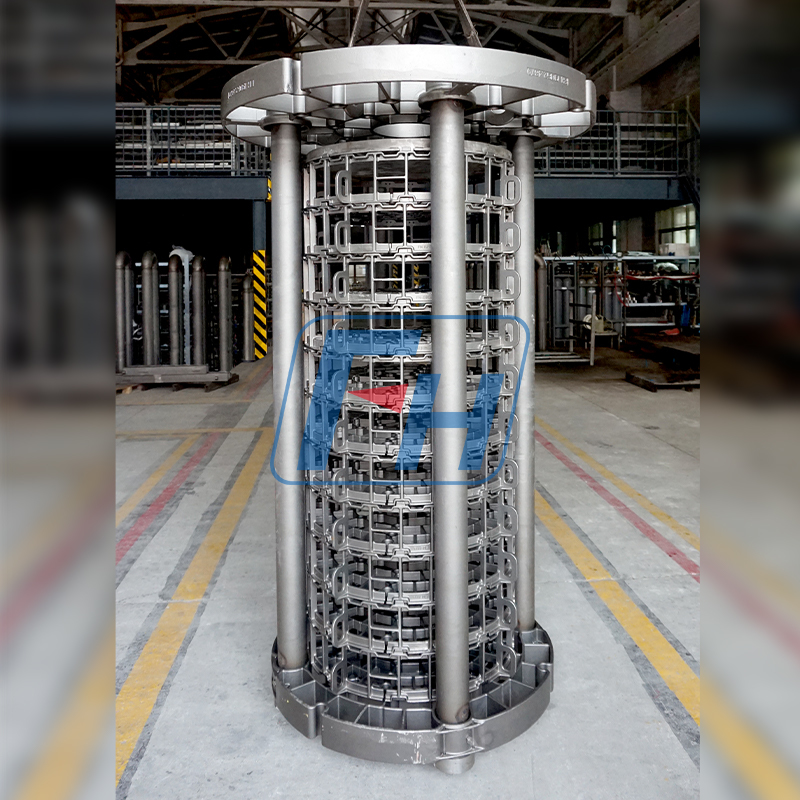
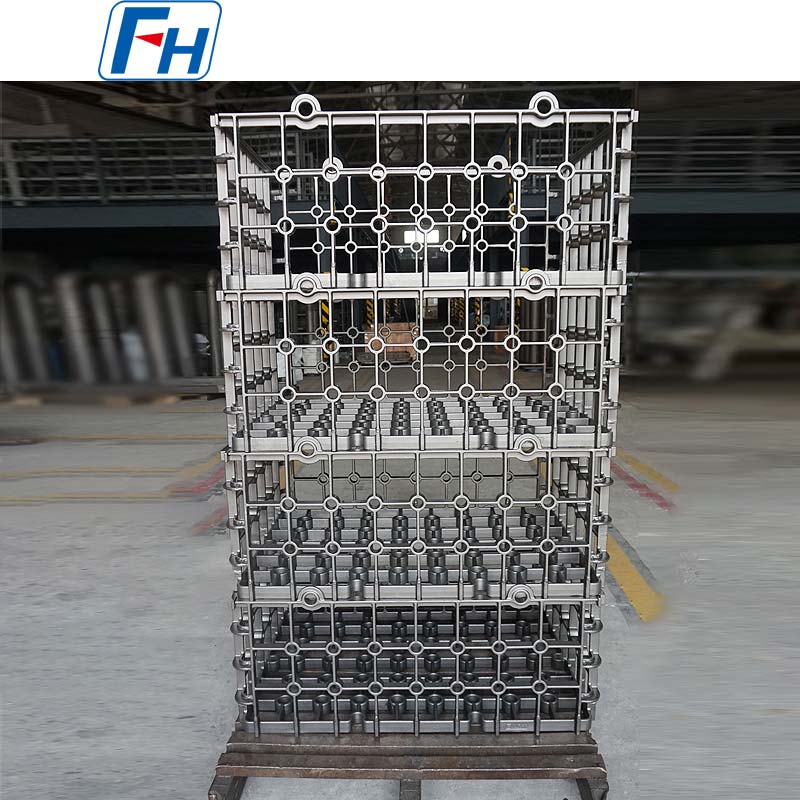

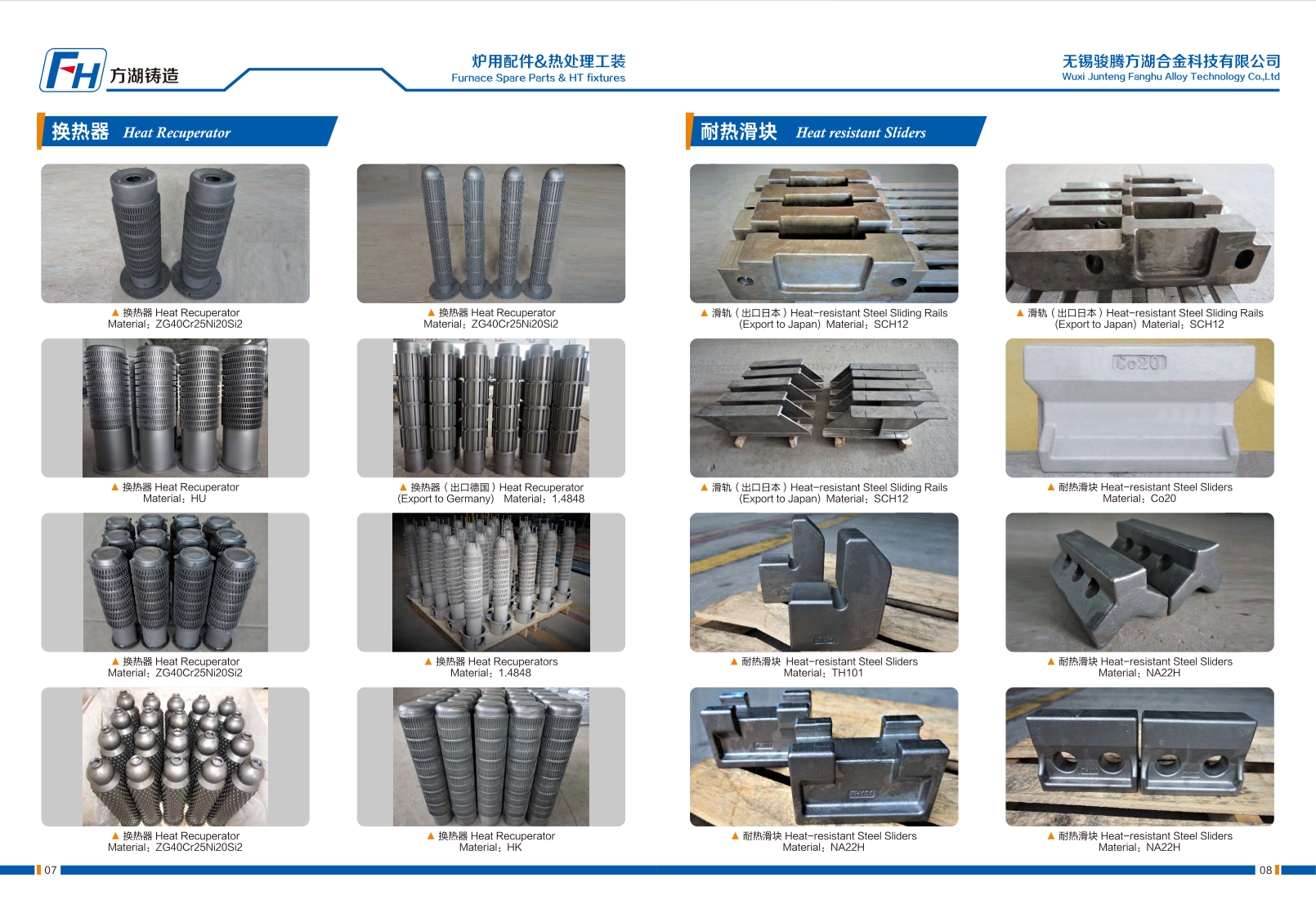
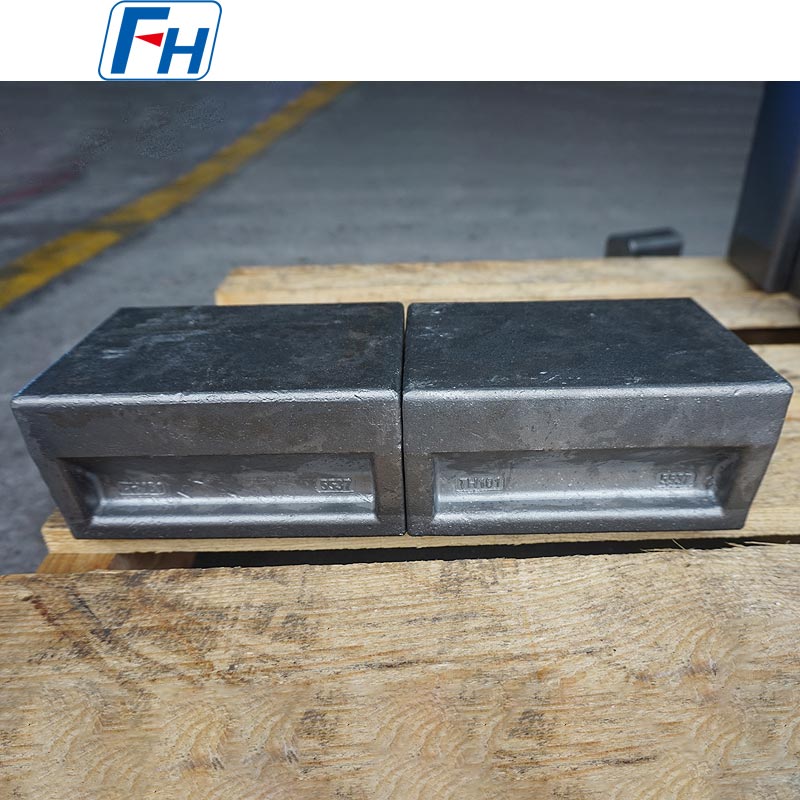
FH® منزلق فولاذي مقاوم للحرارة | المتانة والدقة في درجات الحرارة العالية
وصف المنتج
تم تصميم المنزلق الفولاذي المقاوم للحرارة FH® لتطبيقات درجات الحرارة القصوى، مما يضمن أداءً موثوقًا ومتانة طويلة الأمد في البيئات الصناعية الصعبة. مصنوع من الفولاذ المقاوم للحرارة، هذا المنزلق يتحمل الضغط الحراري العالي مع الحفاظ على السلامة الهيكلية والحركة الدقيقة.
مثالي للاستخدام في الأفران المستمرة، ومعدات المعالجة الحرارية، وغيرها من أنظمة المعالجة ذات درجات الحرارة العالية، فهو يساعد على تقليل وقت التوقف عن العمل وتكاليف الصيانة، مما يعزز الكفاءة التشغيلية الشاملة.
الميزات الرئيسية:
- مقاومة درجات الحرارة العالية: يحافظ على الأداء في ظل ظروف الحرارة الشديدة.
- البناء الدائم: مصنوع من فولاذ عالي الجودة مقاوم للحرارة من أجل عمر خدمة طويل.
- الهندسة الدقيقة: مصممة لحركة سلسة ومتسقة في الآلات الصناعية.
- تطبيق متعدد الاستخدامات: مناسبة لمختلف الأفران وأنظمة معالجة المعادن والعمليات ذات الحرارة العالية.
- صديقة للصيانة: يقلل من التآكل، مما يقلل من تكرار الصيانة.
التطبيقات:
- أفران المعالجة الحرارية المستمرة
- معدات تزوير وتليين المعادن
- خطوط تصنيع تتحمل درجات الحرارة العالية
- إنتاج مكونات الطيران والسيارات
صور أصلية لمنزلق FH® الفولاذي المقاوم للحرارة
جدول درجات المواد
| فولاذ مقاوم للحرارة | |||||||||||||
| / | غيغابايت | الدين | أستم | جيس | التركيب الكيميائي (٪) | درجة حرارة التشغيل القصوى | |||||||
| C | سي | من | كر | ني | ملحوظة / سي بي | مو | أخرى | ||||||
| 1 | ZG40Cr27Ni4 | 1.4823 | عالية الدقة | SCH11 | 0.30 - 0.50 | .002.00 | .001.00 | 24.00 - 28.00 | 4.00 - 6.00 | - | .50.50 | - | 1050 درجة مئوية |
| 2 | ZG40Cr22Ni10 | 1.4826 | التردد العالي | SCH12 | 0.30 - 0.50 | 1.00 - 2.50 | .002.00 | 19.00 - 23.00 | 8.00 - 12.00 | - | .50.50 | - | 950 درجة مئوية |
| 3 | ZG30Cr28Ni10 | - | سعادة | SCH17 | 0.20 - 0.50 | .002.00 | .002.00 | 26.00 - 30.00 | 8.00 - 11.00 | - | - | - | 1050 درجة مئوية |
| 4 | ZG40Cr25Ni12 | 1.4837 | سمو | SCH13 | 0.30 - 0.50 | 1.00 - 2.50 | .002.00 | 24.00 - 27.00 | 11.00 - 14.00 | - | .50.50 | - | 1050 درجة مئوية |
| 5 | ZG30Cr28Ni16 | - | مرحبًا | SCH18 | 0.20 - 0.50 | .002.00 | .002.00 | 26.00 - 30.00 | 14.00 - 18.00 | - | - | - | 1100 درجة مئوية |
| 6 | ZG40Cr25Ni20Si2 | 1.4848 | هونج كونج | SCH21 | 0.30 - 0.50 | .751.75 | .51.50 | 23.00 - 27.00 | 19.00 - 22.00 | - | .50.50 | - | 1100 درجة مئوية |
| 7 | ZG30Cr20Ni25 | - | HN | SCH19 | 0.20 - 0.50 | .002.00 | .002.00 | 19.00 - 23.00 | 23.00 - 27.00 | - | - | - | 1100 درجة مئوية |
| 8 | ZG40Cr19Ni39 | 1.4865 | هو | SCH20 | 0.35 - 0.75 | .52.50 | .002.00 | 17.00 - 21.00 | 37.00 - 41.00 | - | - | - | 1020 درجة مئوية |
| 9 | ZG40Cr15Ni35 | 1.4806 | إتش تي | SCH15 | 0.35 - 0.70 | .002.00 | .002.00 | 15.00 - 19.00 | 33.00 - 37.00 | - | .50.50 | - | 1000 درجة مئوية |
| 10 | ZG40Cr25Ni35Nb | 1.4852 | HPCb | SCH24Nb | 0.30 - 0.50 | .002.00 | .002.00 | 24.00 - 28.00 | 33.00 - 37.00 | 0.80 - 1.80 | .50.50 | - | 1100 درجة مئوية |
| 11 | ZG40Cr19Ni39Nb | 1.4849 | - | - | 0.30 - 0.50 | 1.00 - 2.50 | .002.00 | 18.00 - 21.00 | 36.00 - 39.00 | 1.20- 1.80 | .50.50 | - | 1100 درجة مئوية |
| 12 | ZG40Cr24Ni24Nb | 1.4855 | - | - | 0.30 - 0.50 | 1.00 - 2.50 | .002.00 | 23.00 - 25.00 | 23.00 - 25.00 | 0.80 - 1.80 | .50.50 | - | 1050 درجة مئوية |
| 13 | ZG40Cr25Ni35 | 1.4857 | HP | SCH24 | 0.35 - 0.50 | 1.00 - 2.50 | .002.00 | 24.00 - 28.00 | 33.00 - 37.00 | - | .50.50 | - | 1100 درجة مئوية |
| 14 | ZG1Cr20Ni32Nb | 1.4859 | - | - | 0.06 - 0.15 | 0.50 - 1.50 | .002.00 | 19.00 - 21.00 | 31.00 - 33.00 | 0.50 - 1.50 | .50.50 | - | 1050 درجة مئوية |
| 15 | ZG45Cr12Ni60 | - | الأب | - | 0.35 - 0.75 | .002.00 | .002.00 | 10.00 - 14.00 | 58.00 - 62.00 | - | - | - | 1100 درجة مئوية |
| 16 | ZG45Cr18Ni66 | - | HX | - | 0.35 - 0.75 | .002.00 | .002.00 | 15.00 - 19.00 | 64.00 - 68.00 | - | - | - | 1100 درجة مئوية |
| 17 | ZG1Cr28Co50 | 2.4778 | - | - | 0.05 - 0.25 | 0.50 - 1.00 | .51.50 | 27.00 - 30.00 | .001.00 | .50.50 | .50.50 | كو:48.0 - 52.0 | 1200 درجة مئوية |
| 18 | ZG30Cr28Co50Nb | 2.4779 | - | - | 0.25 - 0.35 | 0.50 - 1.50 | 0.50 - 1.50 | 27.00 - 29.00 | - | 1.50 - 2.50 | .50.50 | كو:48.0 - 52.0 | 1200 درجة مئوية |
| 19 | ZG40Cr28Ni48W5 | 2.4879 | - | SCH42 | 0.35 - 0.55 | 1.00 - 2.00 | .51.50 | 27.00 - 30.00 | 47.00 - 50.00 | - | .50.50 | ث:4.0 - 5.5 | 1200 درجة مئوية |
التعليمات:
س: كيفية تقديم الاستفسار؟
ج: الخطوة 1، يرجى تزويدنا ببعض التفاصيل حول الفرن الخاص بك، ودرجة حرارة التشغيل، وطريقة التبريد، ووزن التحميل للفرن الخاص بك، وما إلى ذلك؛
الخطوة 2، من الأفضل تقديم رسومات ثلاثية الأبعاد؛
الخطوة 3، عندما يكون لدينا ما يكفي من التفاصيل، يمكننا تصميم رسومات المنتجات والاقتباس وفقًا لذلك؛
س: متى يمكنني الحصول على السعر؟
ج: عادة ما نقتبس في غضون 24 ساعة بعد أن نحصل على استفسارك (باستثناء عطلة نهاية الأسبوع والعطلات الرسمية). إذا كنت مستعجلًا للغاية للحصول على السعر، فيرجى مراسلتنا عبر البريد الإلكتروني أو الاتصال بنا بطرق أخرى حتى نتمكن من تقديم عرض أسعار لك.
س: متى سيتم التسليم؟ /ما هو وقت التسليم؟
ج: -عينة الطلب: 35 يومًا بعد استلام الدفعة الكاملة.
-طلب المخزون: 10 أيام بعد استلام الدفعة الكاملة
- طلب OEM: 30 يومًا بعد استلام الوديعة.
س: ما هي خدمة ما بعد البيع الخاصة بك؟
ج: ضمان لمدة سنة لجميع أنواع المنتجات؛
إذا وجدت أي ملحقات معيبة لأول مرة، فسنقدم لك الأجزاء الجديدة مجانًا لاستبدالها بالترتيب التالي، كشركة مصنعة ذات خبرة، يمكنك الاطمئنان إلى الجودة وخدمة ما بعد البيع.
س: ما هي حالة الدفع الخاصة بك؟
ج: تي/تي
الدفع <= USD10000، 100% مقدمًا. الدفع> USD10000، 50% T/T مقدمًا، الرصيد قبل الشحن.
س: ما هي طريقة الشحن؟
ج: يتم النقل عن طريق DHL أو UPS أو EMS أو Fedex أو الشحن الجوي أو الشحن البحري أو الشحن بالقطار.







 هاتف: 0510-83310100
  البريد الإلكتروني: info@alloy-casting.com
  العنوان: Room 1105,Building 6, Jiaye Wealth Center,Wuxi, Jiangsu, P.R.China P.C.:214000.